

About Us
A considered approach to the infrastructure your property relies on.
Drainlaying in Brisbane
We are a team of licensed and insured drainage experts serving homes, businesses and builders across Brisbane. Our crews have years of hands-on experience with the city’s clay soils, heavy summer storms and ageing pipe networks, and we know what it takes to keep water moving where it should.
We specialise in drain inspections, blocked drain clearing, pipe repairs, stormwater systems, sewer connections and full drainage installations. Every project begins with a proper diagnosis, using CCTV technology to find the real cause of the problem instead of guessing. Whether it is one blocked drain or a large site, every job gets the same close attention.
We follow Queensland plumbing and drainage standards, manage council requirements on your behalf and leave every site clean and tidy. You can expect clear communication, honest advice and workmanship we are proud to stand behind.
Explore About Us and find the right starting point for your property.
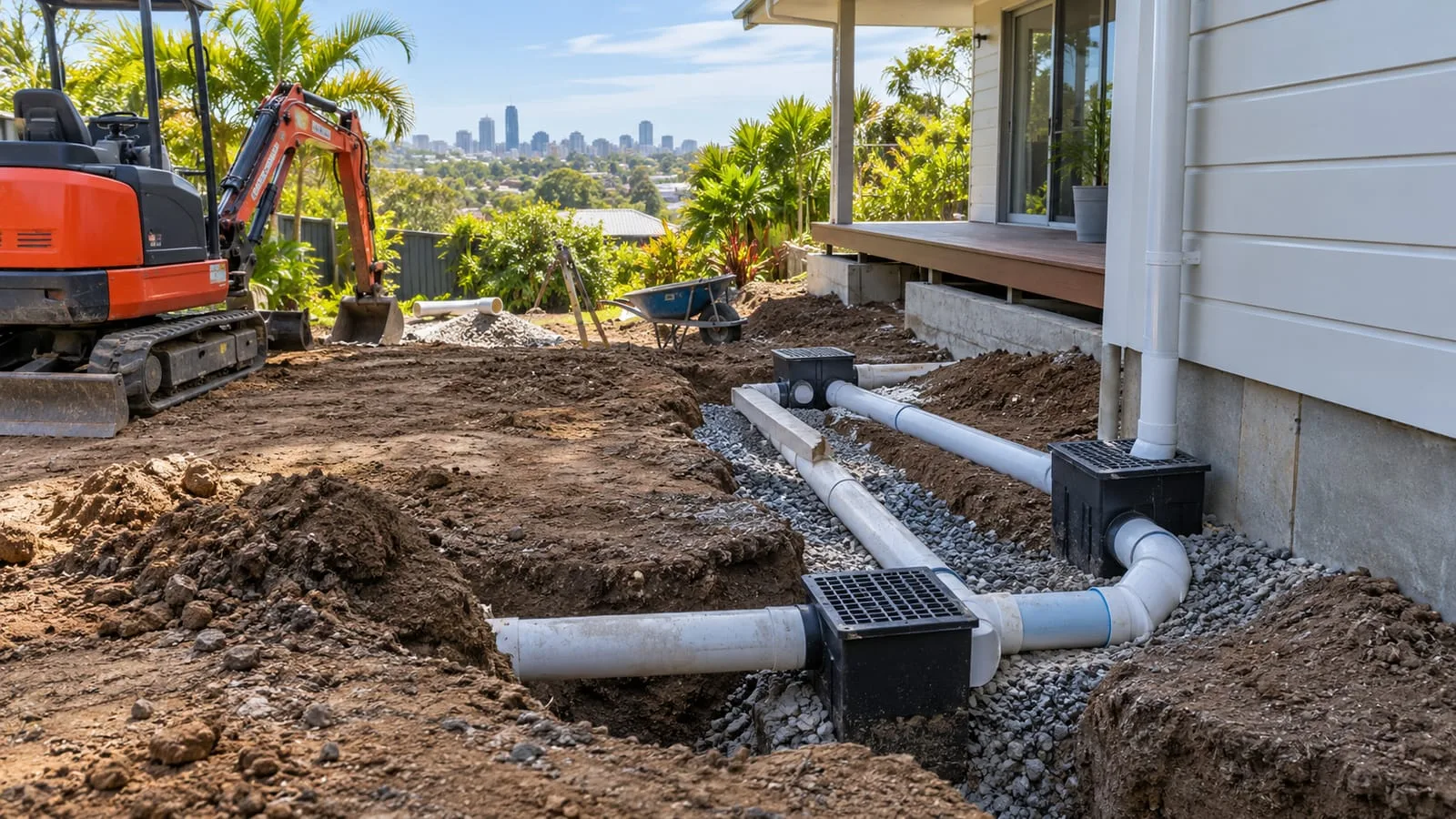
Our Mission
To deliver reliable, honest and long-lasting drainage solutions that protect Brisbane properties from water damage, with clear pricing and quality workmanship on every job.
Our Vision
To be Brisbane’s most trusted drainage company, known for expert diagnosis, dependable service and results that give homeowners and businesses lasting peace of mind.
Drainage is rarely a simple DIY fix.
A blocked or leaking drain can seem like an easy weekend fix, but drainage work is rarely as simple as it looks. Hidden pipe damage, tree roots, collapsed sections and poor falls are impossible to see without the right equipment, and a quick DIY repair often hides the real problem for a few weeks before it returns.
Drainage systems are also regulated. Work on sewer and stormwater lines usually needs to meet plumbing standards and council requirements, and mistakes can lead to property damage, health risks and costly rework.
A licensed drainage expert uses CCTV inspection, professional tools and proven methods to find the cause, fix it properly the very first time and protect your home for the long term.
The property
The affected area, access, known services and the finish to be protected.
The proposed work
The investigation, installation or repair, including stated limits and reinstatement.
The interfaces
Design, approvals, other trades and any responsibilities that require separate confirmation.
Working alongside builders, designers and agents
Drainage rarely happens in isolation. Builders, designers, property managers and agents each need different information, and good coordination early in the project avoids rework and missed details.
Builders need drainage routes settled before slabs and paving. Designers want pits and channels that suit finished surfaces. Agents and managers need clear scopes for repairs and records for owners. We try to share information in forms each person can use, such as marked-up plans, photos and written notes. Early conversations help most, particularly when levels, approvals or tenant access could affect timing.
For builders
Share slab levels, roof layouts and landscaping stages early, so drainage can be coordinated with other trades.
For designers
Tell us the finished surfaces and levels you intend. Channel and pit choices should suit them, not fight them.
For agents and managers
Explain who owns and pays for the work, tenant access arrangements and what records an owner will need.
For owners
Keep all parties informed of changes. A short written summary of agreed work avoids confusion later.
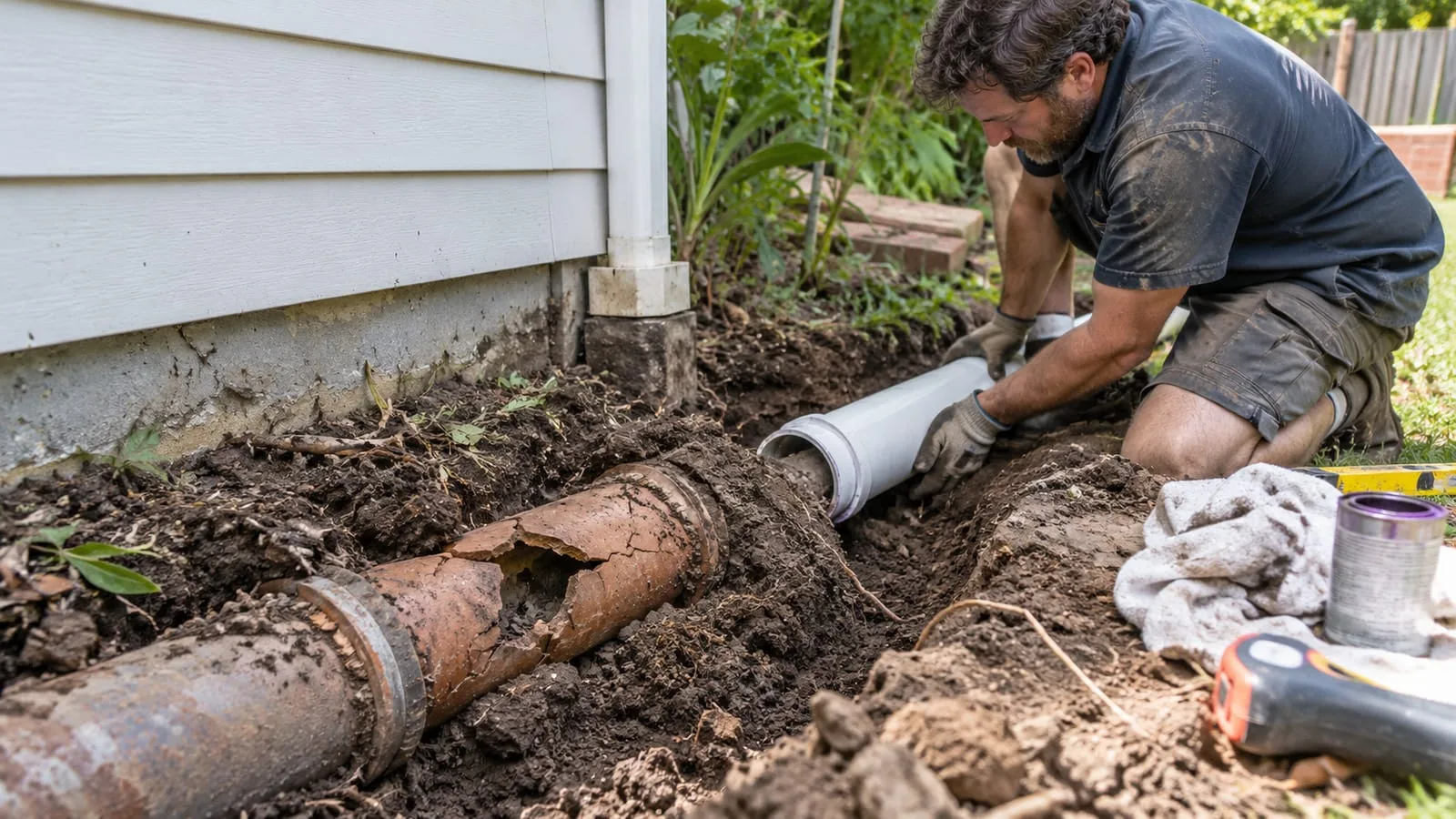
Agreeing a clear scope before drainage work starts
Disagreements often come from unclear expectations. A written scope sets out what will be done, what will not, and what could change once ground is opened.
A clear scope names the location, the work, access needs, restoration expected and anything excluded, such as landscaping or concrete reinstatement. Underground work can reveal surprises, so discuss how variations will be raised and approved before they happen. Confirm any approvals that apply and who arranges them. Keep the scope with your records, as it helps both sides if questions arise after the job.
What is included
List the work, the area it covers and the finish expected, such as backfill, paving or turf restoration.
What is excluded
Note anything outside the work, so it does not become an assumption, such as landscaping, painting or tree work.
How surprises are handled
Agree beforehand how unexpected findings will be explained, photographed and approved before extra work begins.
Approvals and access
Confirm who arranges any permits, body corporate consent or tenant access, and when each needs to happen.