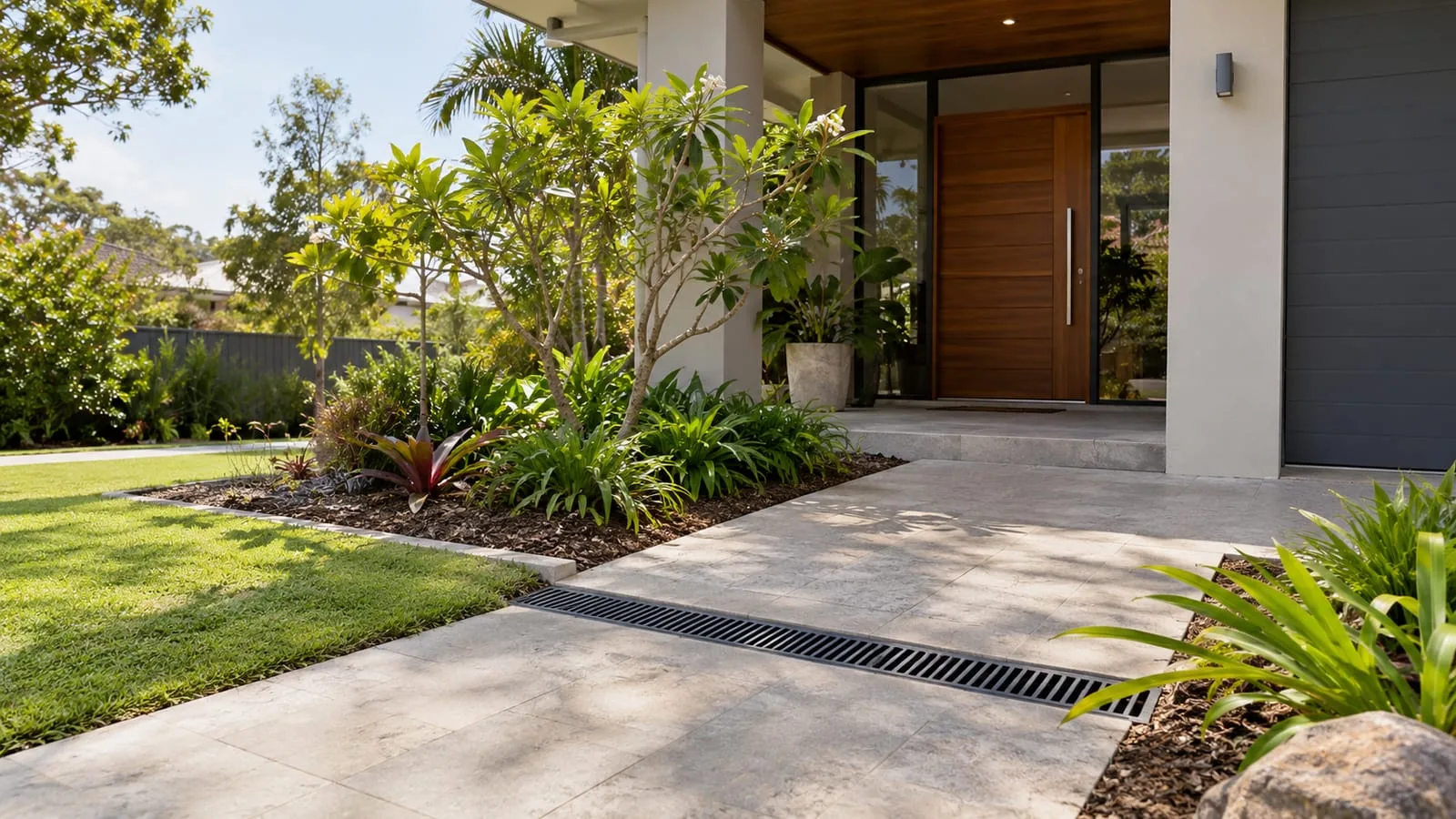
Suburb and street
The suburb gives us regional context such as typical slope and age of housing, though every lot differs.


Every considered solution starts with a conversation.
Tell us about your drainage or plumbing project. Include your suburb, the issue you’re seeing and the work you have in mind.
Photos, existing plans and preferred timing help us understand the job. We’ll confirm availability and the proposed scope for your property.
Explore Contact Us and find the right starting point for your property.
Include a few photos of the affected area and describe when the problem occurs. For planned work, share any drawings and note the current stage of your project.
Mention previous repairs, restricted access and any surfaces you want retained. These details help us identify what needs checking on site.
None of these are required. Share what you have.
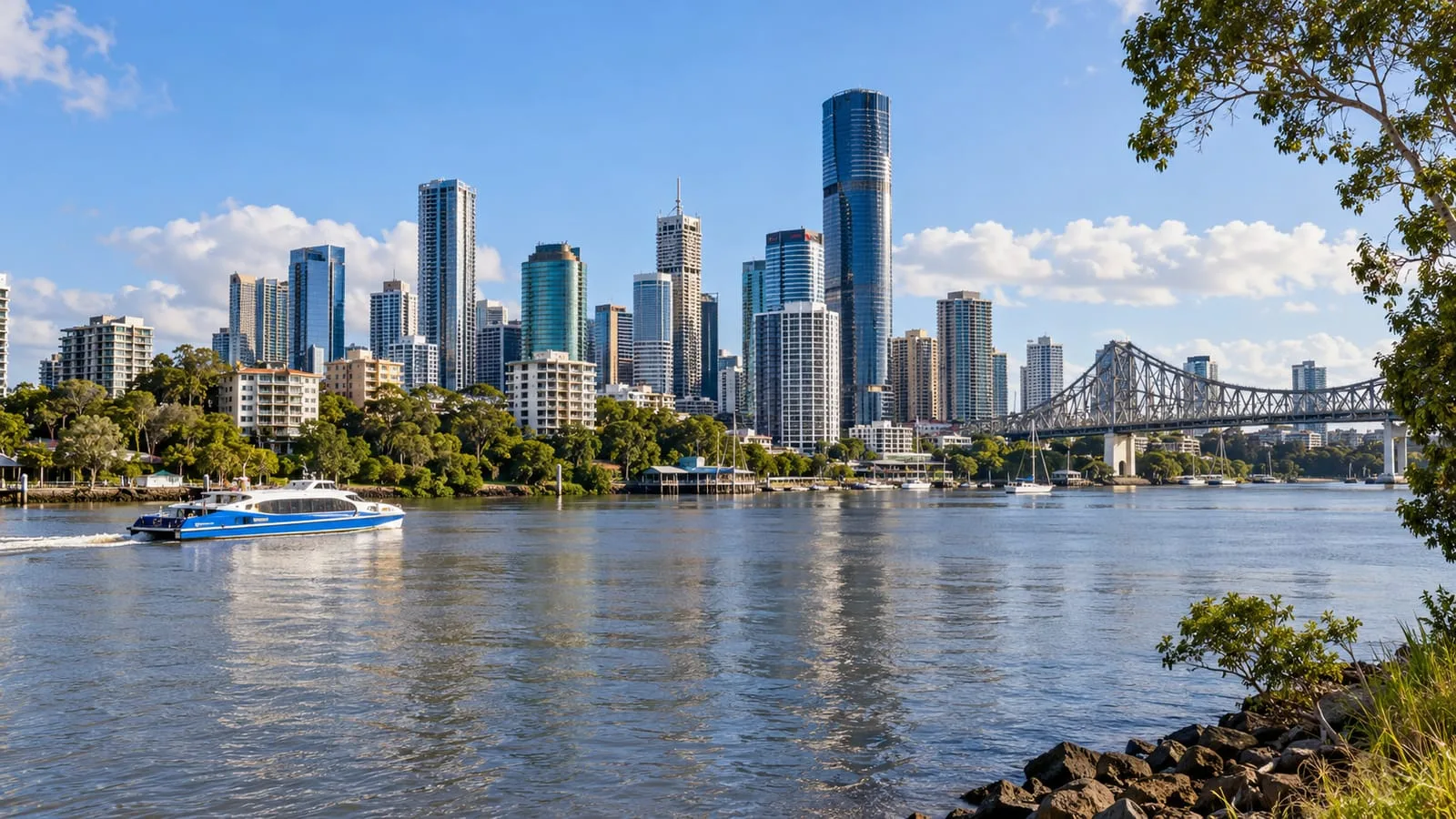
Brisbane, Queensland
From the inner suburbs to the outer west, explore our service areas and share your suburb when you enquire. Availability is confirmed for your address.
Explore service areas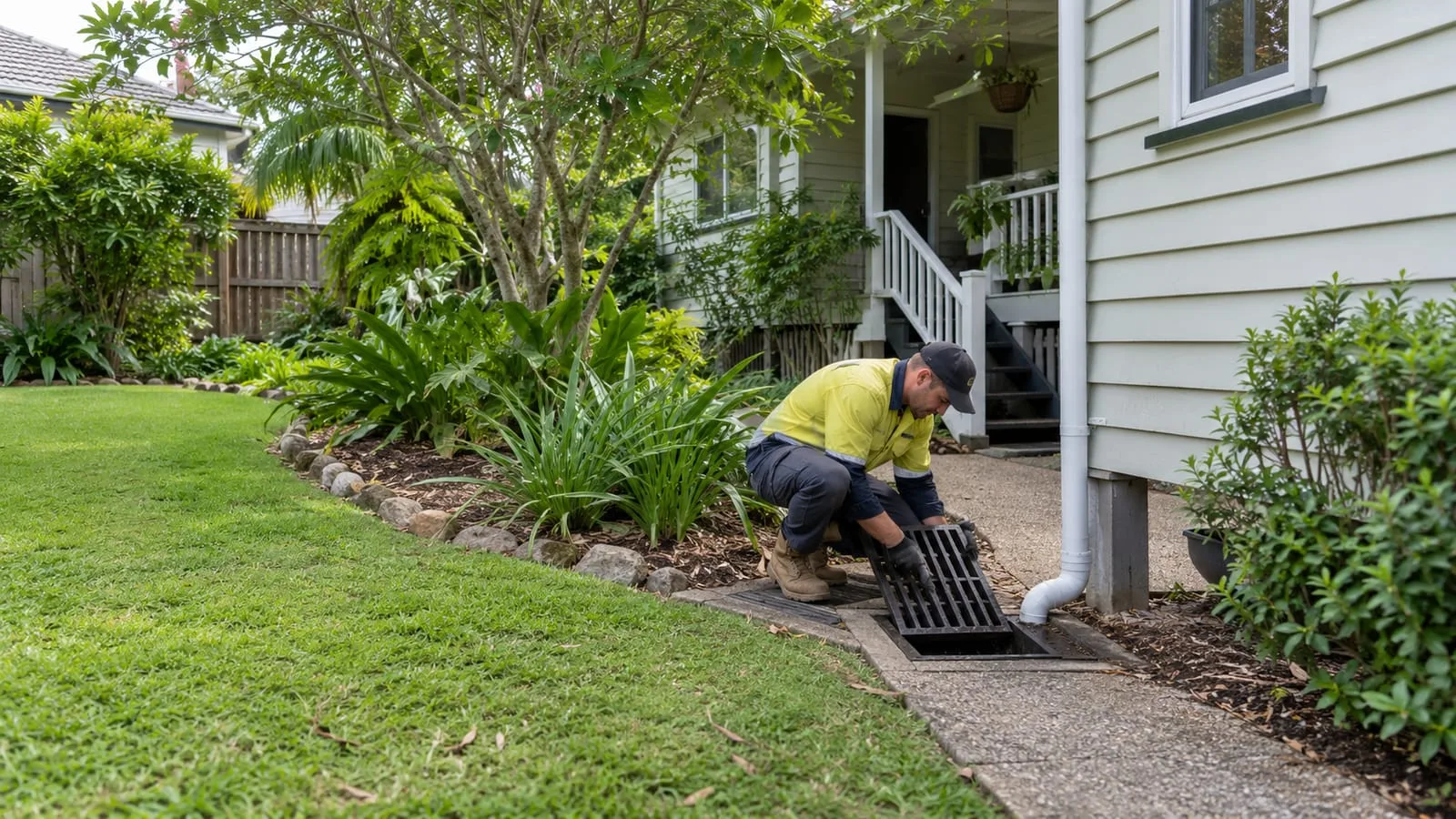
A few good photos can tell us more than a long description. Take them in daylight, from several distances, and include whatever might show where water comes from and goes.
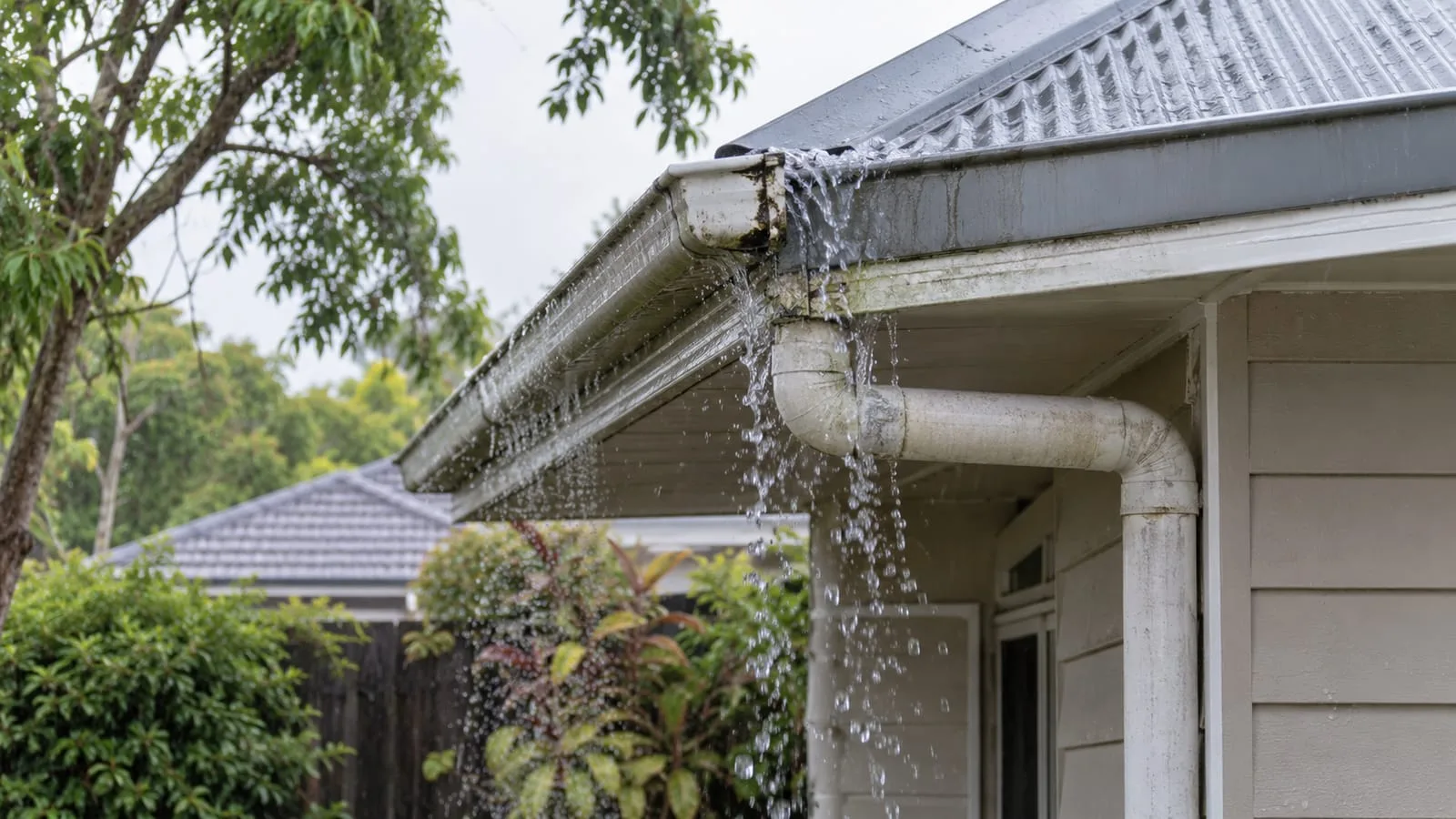
Start with a wide shot showing the area and the house, then move closer to the wet spot, pit, grate or crack. Photograph downpipes, gutters and any lids you can see. If it rains, capture the water in action. Photograph or scan any plans, previous reports or council documents you hold. A tape measure or coin beside a feature gives helpful scale.
Take a wide shot for context, then close-ups of the problem, so the location and the detail are both clear.
Photos or a short video taken while water is flowing show routes and pooling that dry weather hides.
Pits, inspection lids and grates tell us what drainage exists. Take them with and without debris if you can.
Site plans, drainage diagrams and old reports help. A phone photo of each page, flat and readable, is enough.
Brisbane varies from low creek-side suburbs to steep hillsides, and drainage varies with it. The suburb, street and property type give context before anyone visits.
The suburb gives us regional context such as typical slope and age of housing, though every lot differs.
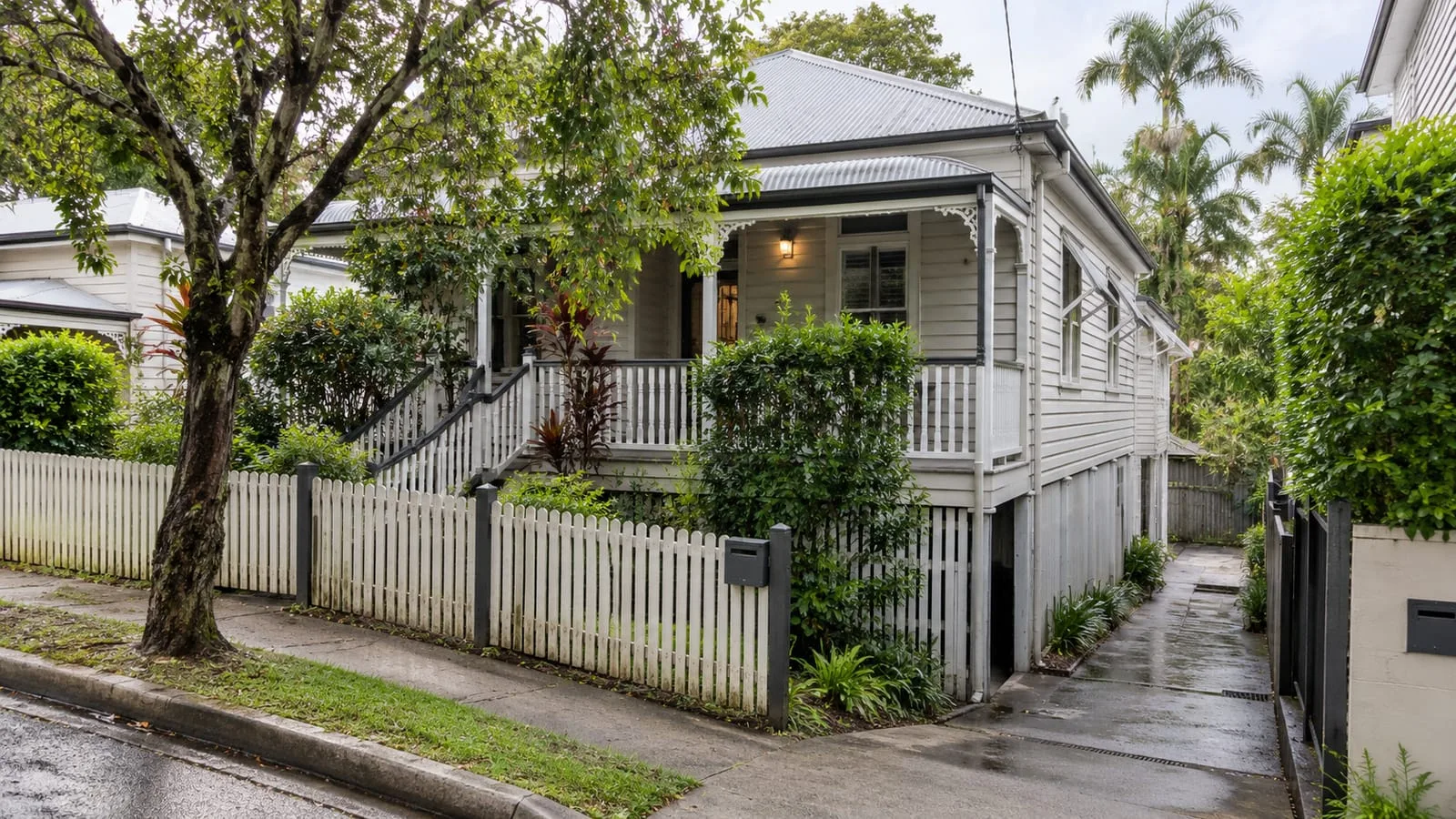
Say if water arrives from uphill, from a neighbour’s yard or the street, or if your land sits at the low point.
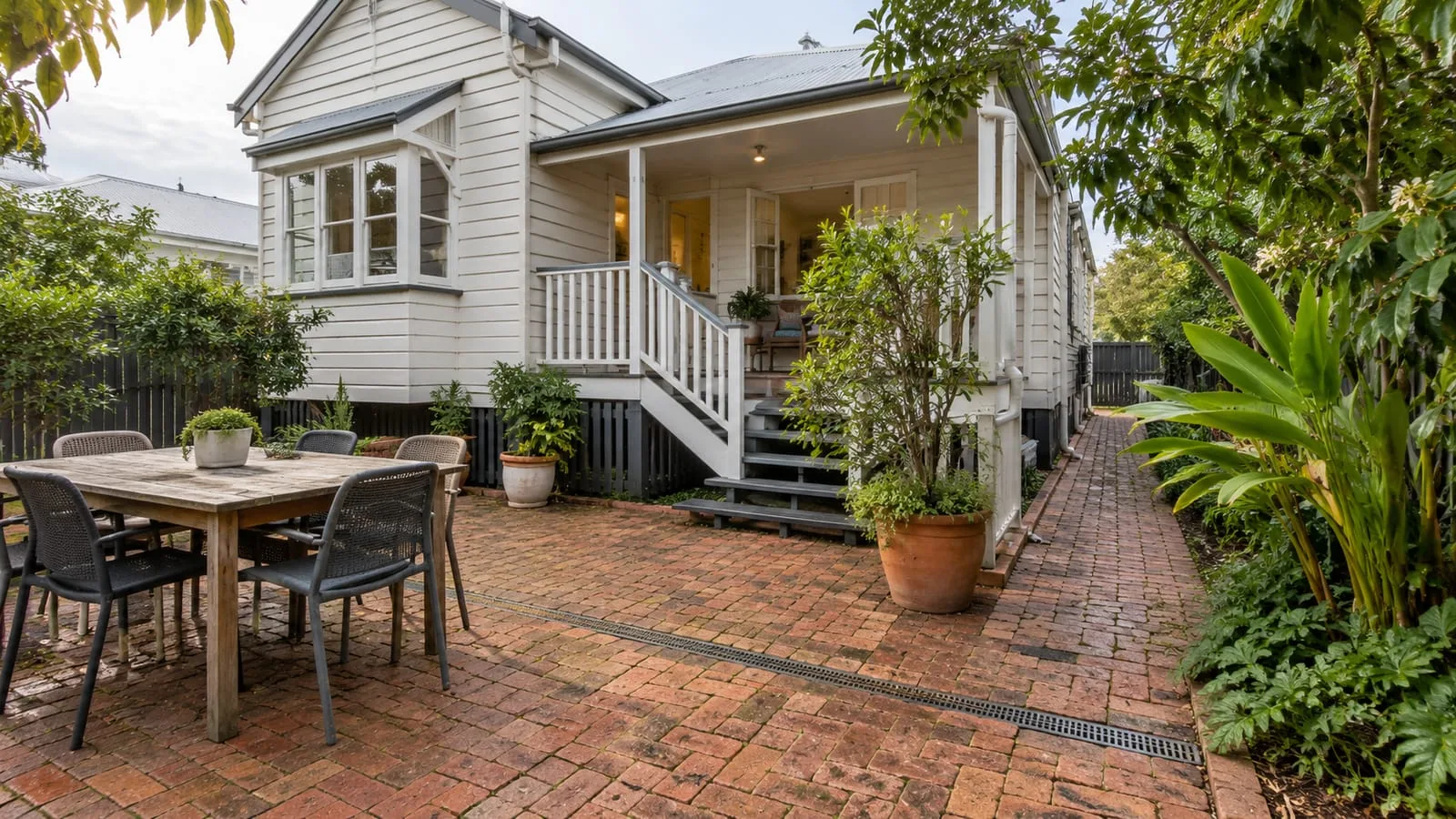
Houses, townhouses, units and commercial sites involve different decision makers, so say who owns and who manages the property.
Tell us your suburb and whether the block slopes toward or away from the house. Mention if the property is high-set, a townhouse, a unit in a body corporate or a commercial site. Note anything nearby that could affect water, such as large trees, a creek or an uphill neighbour. These details help us think through likely causes, though conditions always need confirming on site.
Telling us when a problem occurs, and how urgent it feels, helps us understand it. Be honest about both, particularly in the weeks around summer storms.
| Pattern of the problem | Does it happen only in storms, after light rain or all the time? This often points to different causes. |
|---|---|
| Risk to property | Say if water approaches doors, under-house storage or neighbouring land, so urgency can be judged properly. |
| Fixed dates | Mention sales, settlements, tenant changes or building stages that create deadlines, so they are considered from the start. |
| Wet-season context | Between roughly November and March, storms can arrive quickly. Mention if you are trying to fix something before then. |
Once you have prepared your details, it helps to know what comes next. Note that online sending is not connected yet, as the form page explains, so follow the current contact options shown there.
After an enquiry reaches us, we review the description, photos and plans, then may ask questions or suggest an inspection. We aim to explain what we think is happening and what options exist, including that some issues need investigation before any recommendation. Keep your photos and notes handy, and tell us about any changes, such as new leaks or heavy rain. We do not promise outcomes or timeframes in advance.
We read the description, look at the photos and plans, and consider what else would help clarify the problem.
Expect questions about timing, access, earlier work and who owns the affected pipes or area.
Some problems need a site visit or camera inspection before options can be responsibly discussed.
Hold on to photos, notes and messages in one place, and send updates if conditions change.