Include in the discussion
- The areas and fixtures included in the enquiry
- Agreed site access and communication requirements
- The defined repair, maintenance or fit-out work


Plan pipework, maintenance and drainage improvements around the needs of your commercial property.
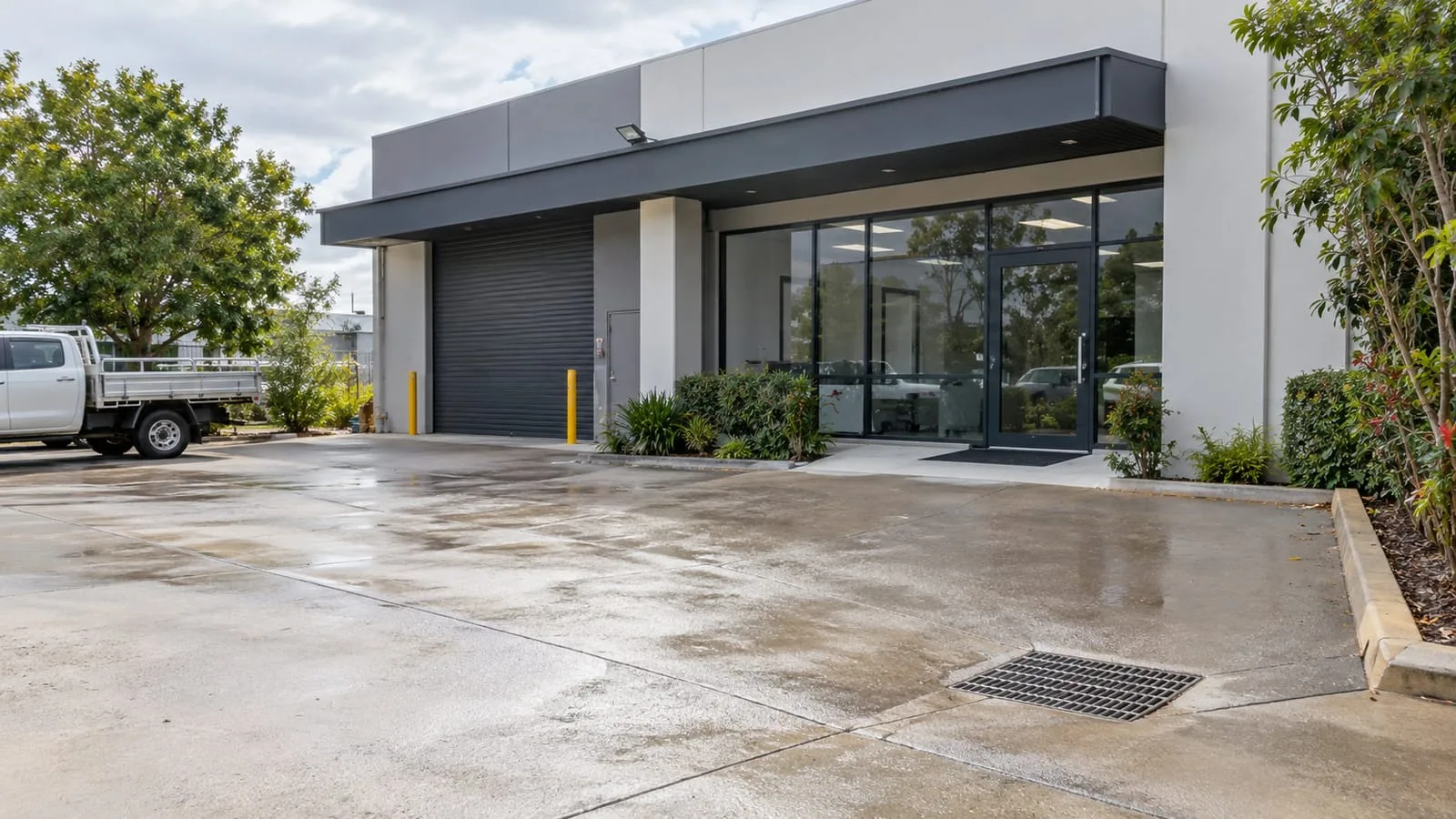
Running a shop, office or workshop in Brisbane means plumbing problems can disrupt staff, customers and trading hours. Commercial properties often have higher fixture demand, larger drainage runs and stricter access requirements than homes, so the work needs careful planning around how the building is used.
From routine maintenance to drainage improvements and fit-out pipework, a clear scope keeps projects on track. Tell us about your premises and how it operates, and we can help you plan plumbing work that suits your property. Being clear about what is needed now and what can wait helps you make confident decisions.
Explore Brisbane Commercial Plumbing and find the right starting point for your property.
Plumbing in a commercial property has to fit around the way the building is used. Staff, customers, tenants and deliveries all depend on access and working fixtures, so any interruption to water or drainage needs to be understood before work is planned.
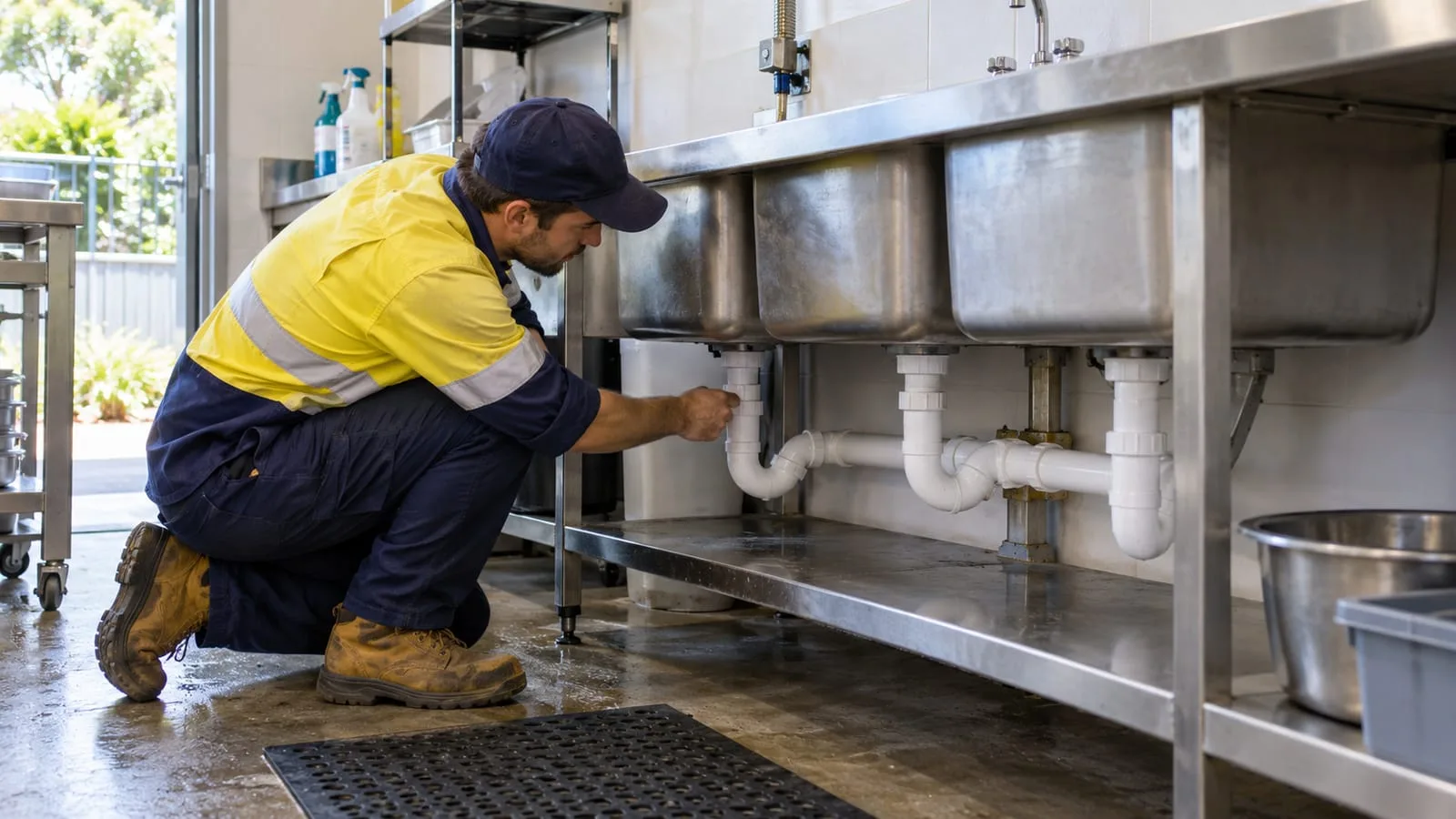
Commercial plumbing work needs to account for building use, access and the impact of interruptions. Share your operating hours and any site induction or access requirements at the enquiry stage so the work can be planned around your business. Staff and customer access, and any body corporate or landlord requirements, should also be considered.
A coordinated scope can separate immediate repairs from future upgrades. For fit-outs, early review of fixture demand and drainage routes helps identify dependencies before construction starts, and reduces the chance of costly changes once other trades are on site. Planning ahead in this way helps everyone involved stay on the same page.
Commercial plumbing enquiries rarely look alike. A fault that is affecting the premises today calls for different information from a maintenance program, and both differ from a fit-out where fixtures and services are still being designed alongside other trades.
| Enquiry | Immediate information | Planning detail |
|---|---|---|
| A current fault | Affected area and operational impact | Who can provide access and authorise work? |
| Planned maintenance | Assets and known recurring issues | What records or inspection history are available? |
| A fit-out | Proposed fixture layout and servicing needs | Which design and other-trade decisions are outstanding? |
A first conversation about a commercial site is much more productive when the practical constraints are known. Premises vary widely, from shopfronts with limited trading windows to large buildings with induction requirements, so explaining how your site operates helps set realistic expectations from the outset.
Explain what type of premises it is, which areas are involved and what interruption to normal operations you need to avoid. Whether the enquiry concerns a current fault, planned maintenance or a fit-out, a short description is enough to begin the conversation.
Discuss commercial plumbingFood premises put heavy demands on drains. Grease, food scraps and high-volume dishwashing can build up quickly in waste lines and interceptors if they are not maintained.
Walk through your kitchen and note where waste leaves each sink, dishwasher and floor drain. Confirm where any grease arrestor sits and who is responsible for its cleaning schedule. Slow floor drains, odours after service and repeated blockages are signs to investigate early. Plan maintenance for quiet periods so trading is not interrupted.
Know where any grease trap sits, how it is accessed and who keeps the cleaning records for the premises.
Slow floor drains or odours after service often point to a build-up that is easier to fix early than during trade.
Scrape plates and use sink strainers, so solids stay out of waste lines and traps.
Arrange cleaning and repairs around opening hours, so a blocked line does not close the kitchen mid-service.
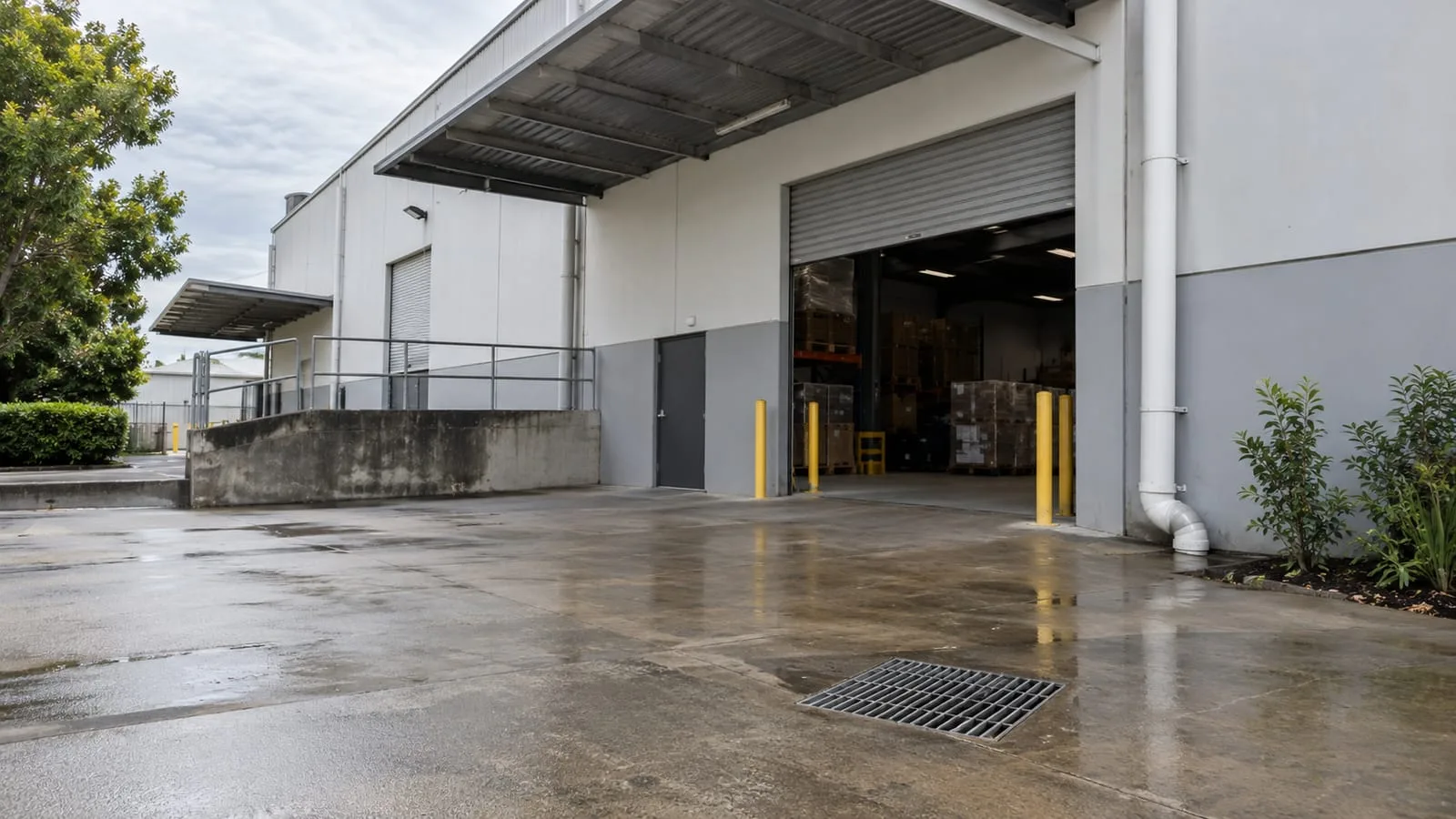
Hard surfaces shed a lot of water in a Brisbane downpour. Forecourts, car parks and loading areas need drainage that keeps water away from doors and stock.
Walk the site during or just after heavy rain and photograph where water pools or heads towards entrances. Check that grated channels and pits are clear of leaves, litter and sediment, as blocked grates push water into places it should not go. Discuss any works with your landlord or body corporate, and confirm stormwater requirements with Council or a qualified professional.
Observe where water gathers and which doors, docks or storerooms it threatens, then photograph the pattern.
Leaves, litter and sediment in channels and pits reduce capacity quickly, so regular cleaning pays off before storm season.
Pooling near roller doors and loading bays can damage goods, so falls and outlets near those areas matter.
Landlord, tenant and body corporate roles differ, so confirm who handles drainage maintenance before arranging any work.
In a fit-out, pipework sits between demolition, partitions, joinery and electrical work. Getting the order right avoids rework, protects finished surfaces and keeps opening dates realistic.
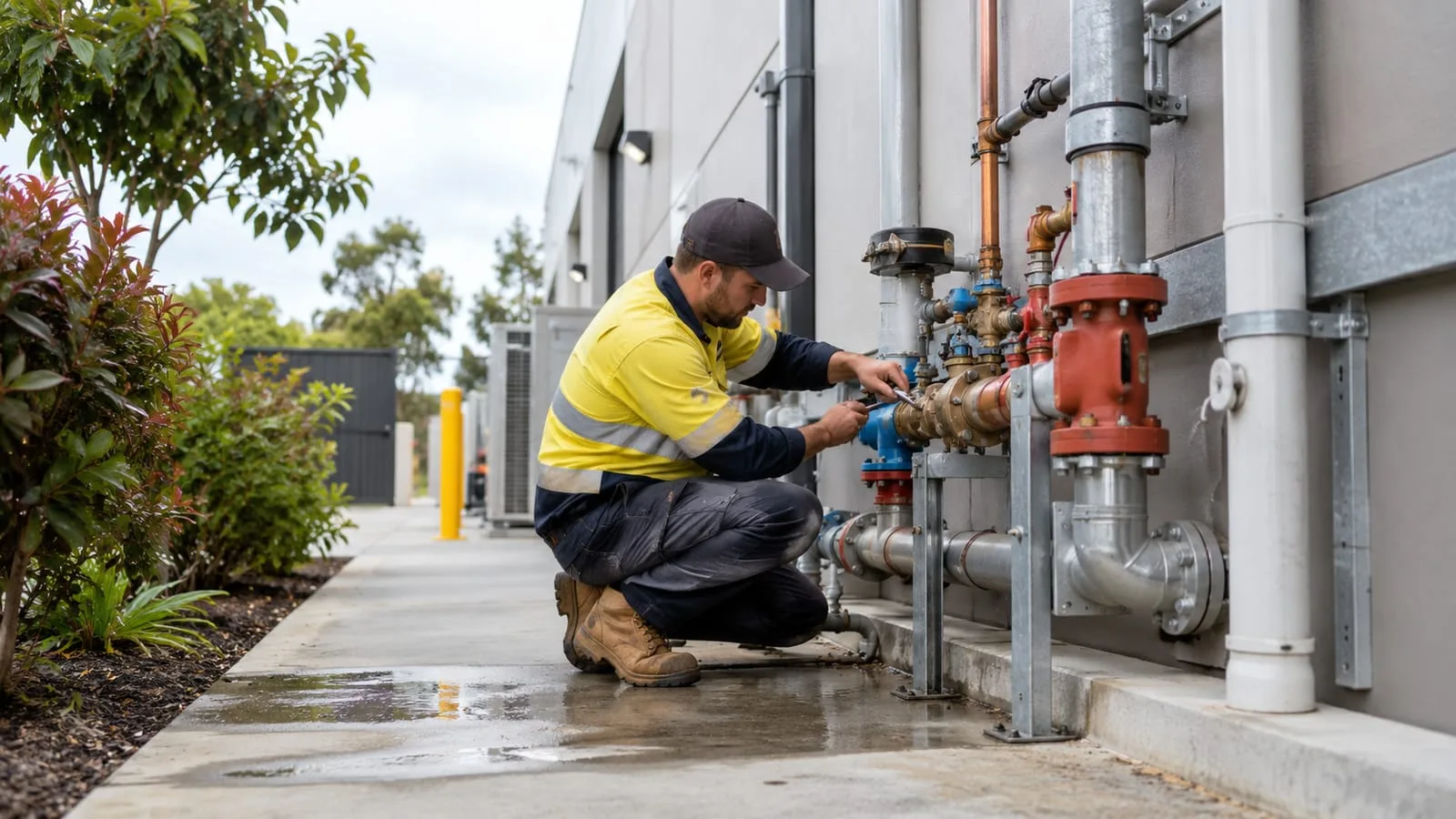
Plans showing basins, sinks and hand-wash stations let supply and waste routes be reviewed before construction starts, avoiding changes later.
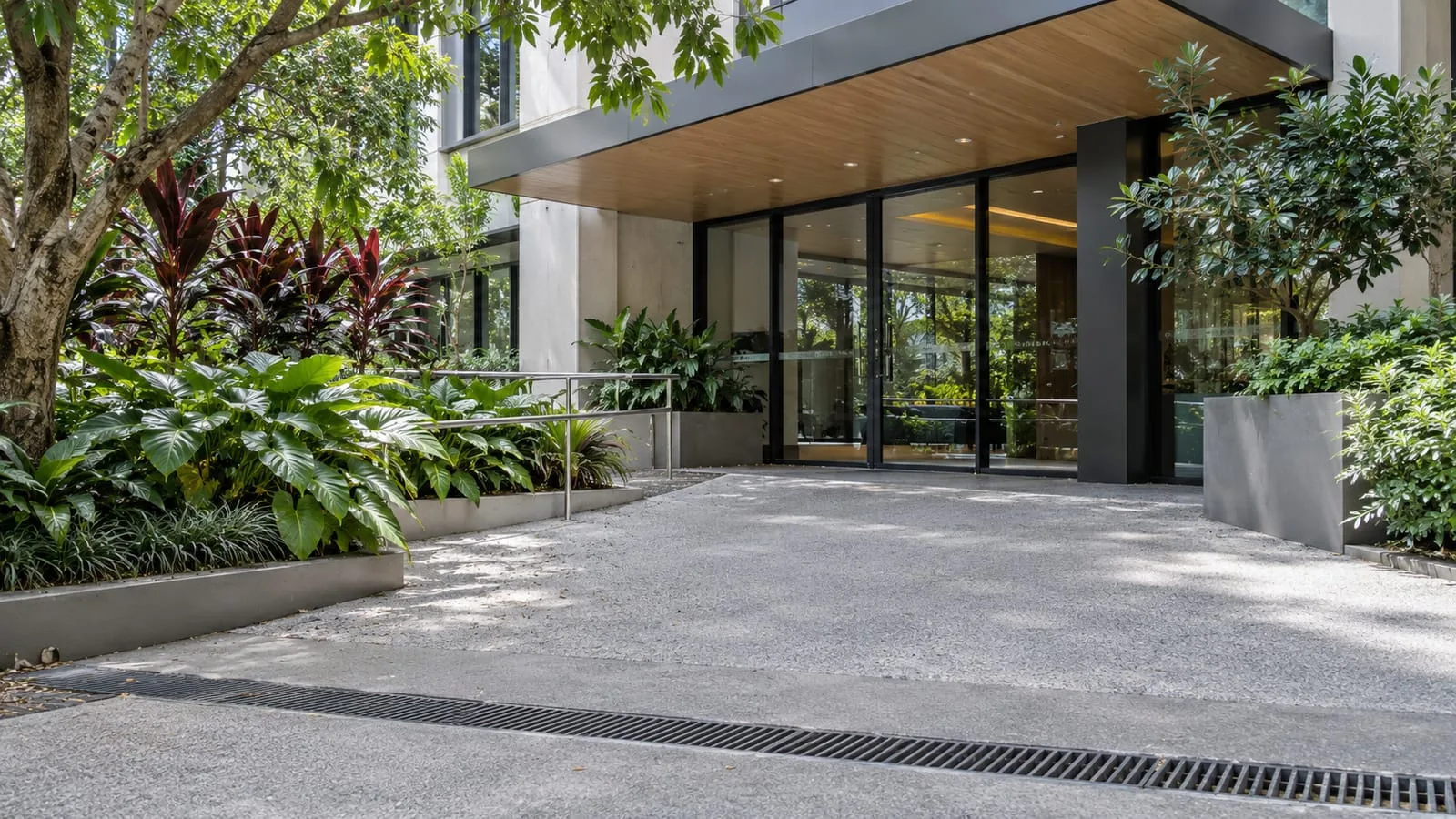
Underfloor waste and in-wall pipes must be installed and tested before floors, linings and joinery are fixed.
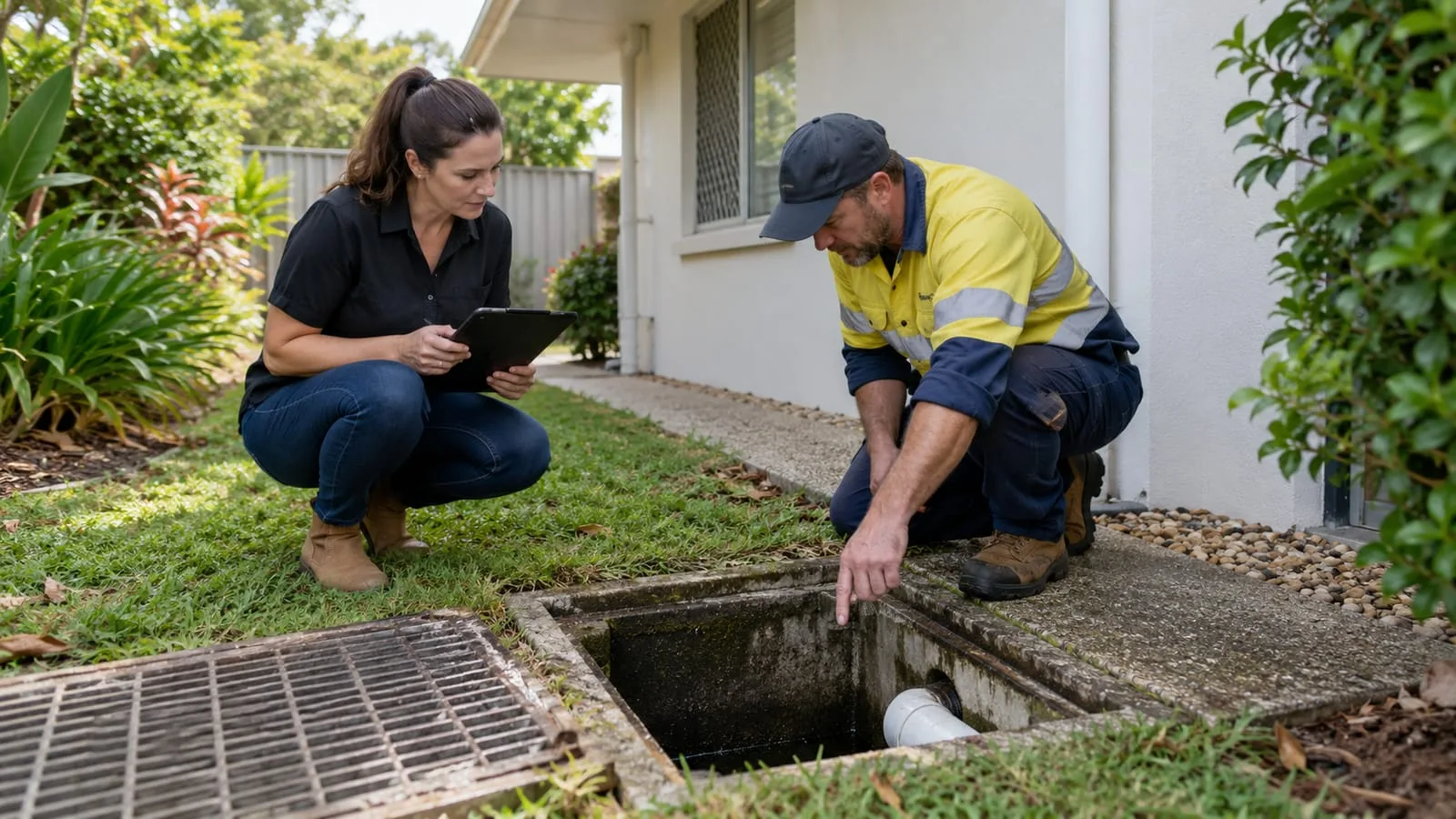
Building owners may have approval and access conditions that affect where pipes can run and when work can occur.
Early on, provide fixture schedules, floor plans and any landlord requirements so supply and waste routes can be reviewed. Underfloor waste often needs to be in before slabs are patched or floors laid. Ask for a clear sequence showing when rough-in, testing and final fix occur, so joinery and tiling are not held up or damaged.
Brisbane businesses rely on us for dependable commercial plumbing that keeps offices, shops, restaurants and warehouses running, with minimal disruption, clear communication and reliable workmanship that meets every compliance requirement.
Commercial sites depend on plumbing that keeps working while the doors stay open. We plan each job around your trading hours, coordinate with building managers and other trades, and document every installation for compliance, so offices, shops and food premises keep running with as little interruption to staff and customers as possible.