It will not start reliably
Record the model and the pattern of the ignition problem.


Arrange an assessment of heater performance, ignition problems and servicing requirements.
A gas heater that smells unusual, fails to ignite or keeps cutting out should not be ignored, especially before the cooler months, when a Brisbane household may only use it a few times a year. Heating faults can have several causes, and a proper assessment is the safest way to find out which applies.
Repair is not always the best option, particularly for older units. Describe your heater and what it has been doing, and we can help you arrange an assessment and understand the choices between repair and replacement. Cost, age and parts availability all matter, and an honest assessment helps you choose with confidence.
Explore Brisbane Gas Heater Repairs and find the right starting point for your property.
A gas heater that is not behaving normally can be frustrating, especially when the cooler, drier winter months arrive in Brisbane. Describing what you have noticed gives the assessing professional a clearer starting point, even though the cause cannot be diagnosed from a description alone or through an online enquiry.
Record the model and the pattern of the ignition problem.
Explain whether the issue affects every use or only certain conditions.
Note what happens before it stops and any previous servicing information.
Symptoms help explain the enquiry, but condition, diagnosis and parts availability influence the options.
Avoid using an appliance that appears unsafe and seek appropriate direct professional assistance. This form is not an emergency service.
Provide the make, model and a description of the symptoms. Mention any service records or earlier repair notes you have.
Ask whether the model and required parts can be identified during assessment. Parts availability is confirmed separately from the initial enquiry.
Yes. Describe when the fault occurs and any pattern you have noticed, without attempting to reproduce a condition that seems unsafe.
Ask which assessment, parts and labour are covered, and whether any follow-up work needs separate authorisation.
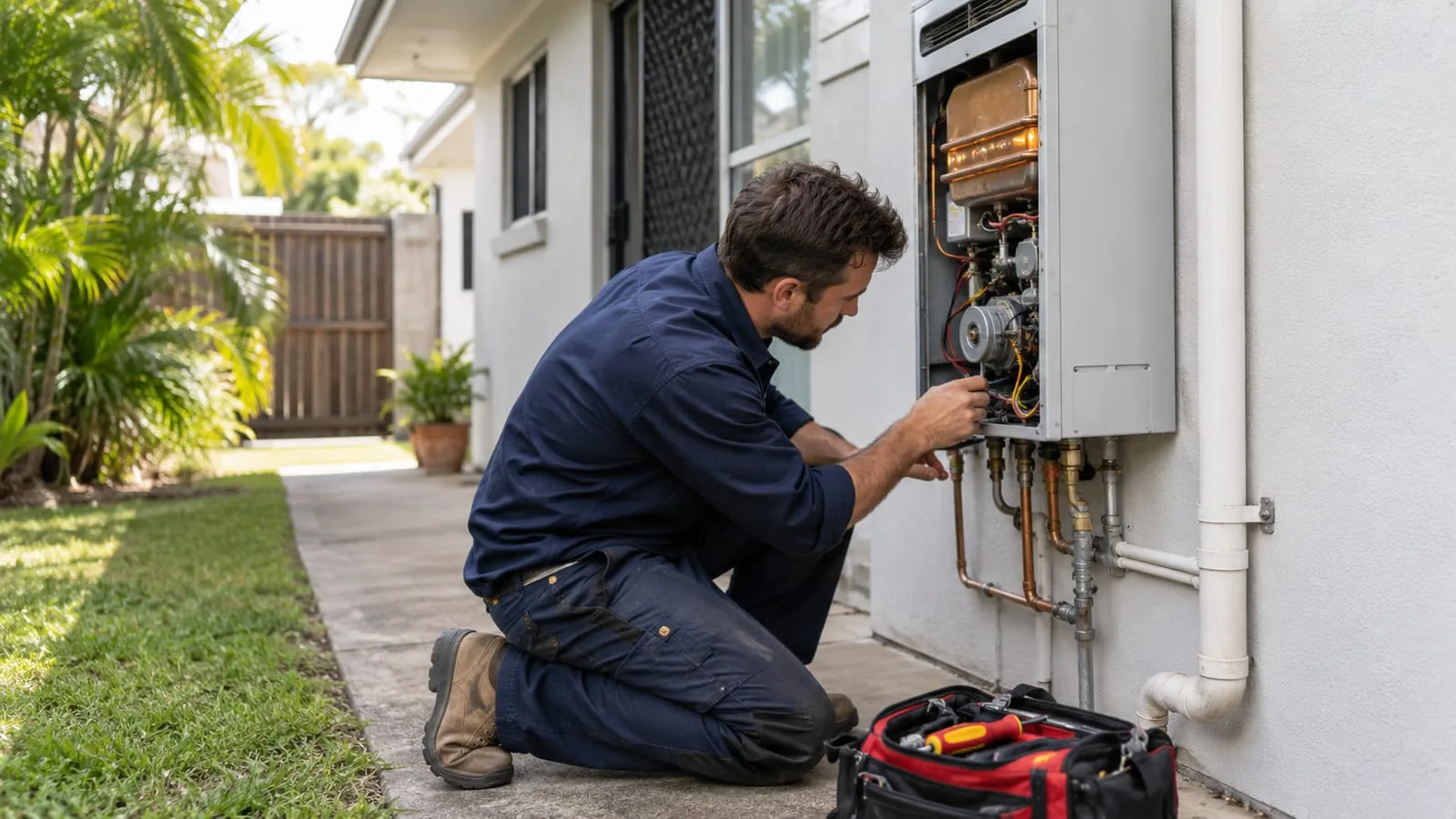
Unusual smells, unreliable ignition or a heater that repeatedly stops deserve professional attention. Note the model and symptoms, and avoid using an appliance that appears unsafe until it has been checked. It helps to mention when the problem started and whether the heater has been serviced recently, since units used only occasionally can develop faults while idle.
Repair suitability depends on the appliance condition, parts availability and the diagnosis. Discuss the findings and alternatives before authorising repair or replacement, so you can weigh the cost of fixing an older heater against installing a new one. Understanding the options helps you avoid spending more than the appliance is worth.
Begin by telling us the make and model of the heater and describing what it has been doing. Include when the problem started, whether it happens every time, and anything that changed beforehand, such as a recent service, a move or work on the property.
Enquire about a heaterThe small metal plate on a gas heater tells a technician the model, gas type and rating. Photographing it before you call speeds up diagnosis and helps with sourcing the right parts.
| Model and serial | Photograph the full plate so numbers are readable. Parts availability often depends on model and approximate age. |
|---|---|
| Gas type | Natural gas and LPG heaters are set up differently, so confirm which your home uses before any work begins. |
| Flued or unflued | The flue type affects ventilation needs and what a technician checks. Mention if you are unsure what you have. |
| Fixed or portable | Wall-mounted and bayonet-fed units are assessed differently, so tell your technician how the heater connects to the supply. |
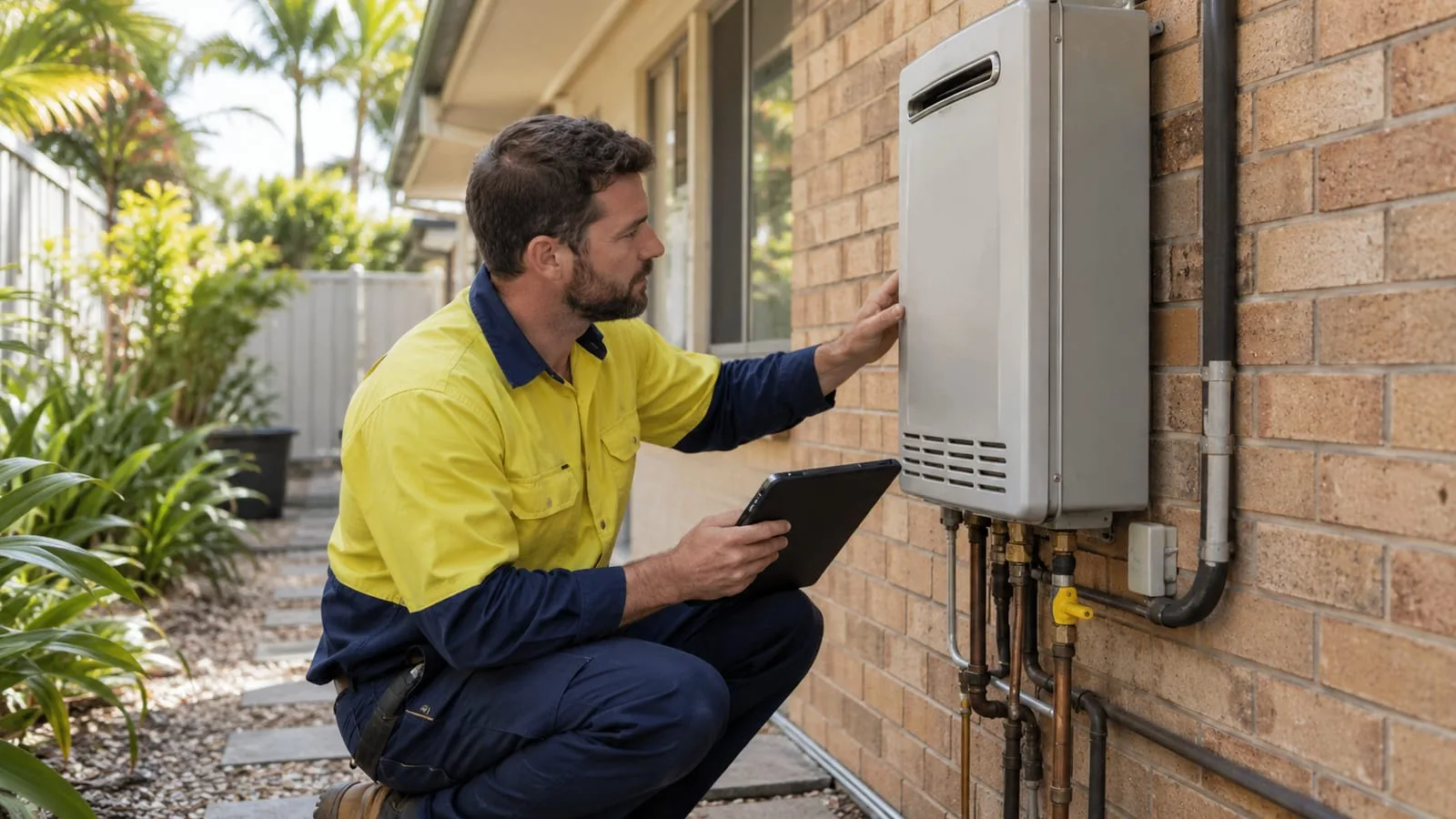
Heaters that click without lighting, shut off after a minute or leave a yellow flame are showing symptoms. Describing them precisely helps a technician work out whether the issue is minor or serious.
Note exactly what happens and when. Does the heater light then drop out, smell unusual, trip a safety device or leave soot marks near the flue? Gather these observations without opening panels or tinkering with gas components. If you smell gas, turn off the appliance and supply at the isolation valve, ventilate the area and call the gas supplier or an emergency service.
Repeated ignition clicks without a flame can point to ignition or supply issues. Turn the heater off and record what you saw.
A lazy yellow or orange flame, or soot staining around the unit, is worth stopping use and having assessed.
If the heater lights then goes out, note how long it ran and whether any warm air or odour appeared first.
Treat a gas smell as urgent. Switch off, open windows, avoid switches and flames, and contact the proper emergency contact.
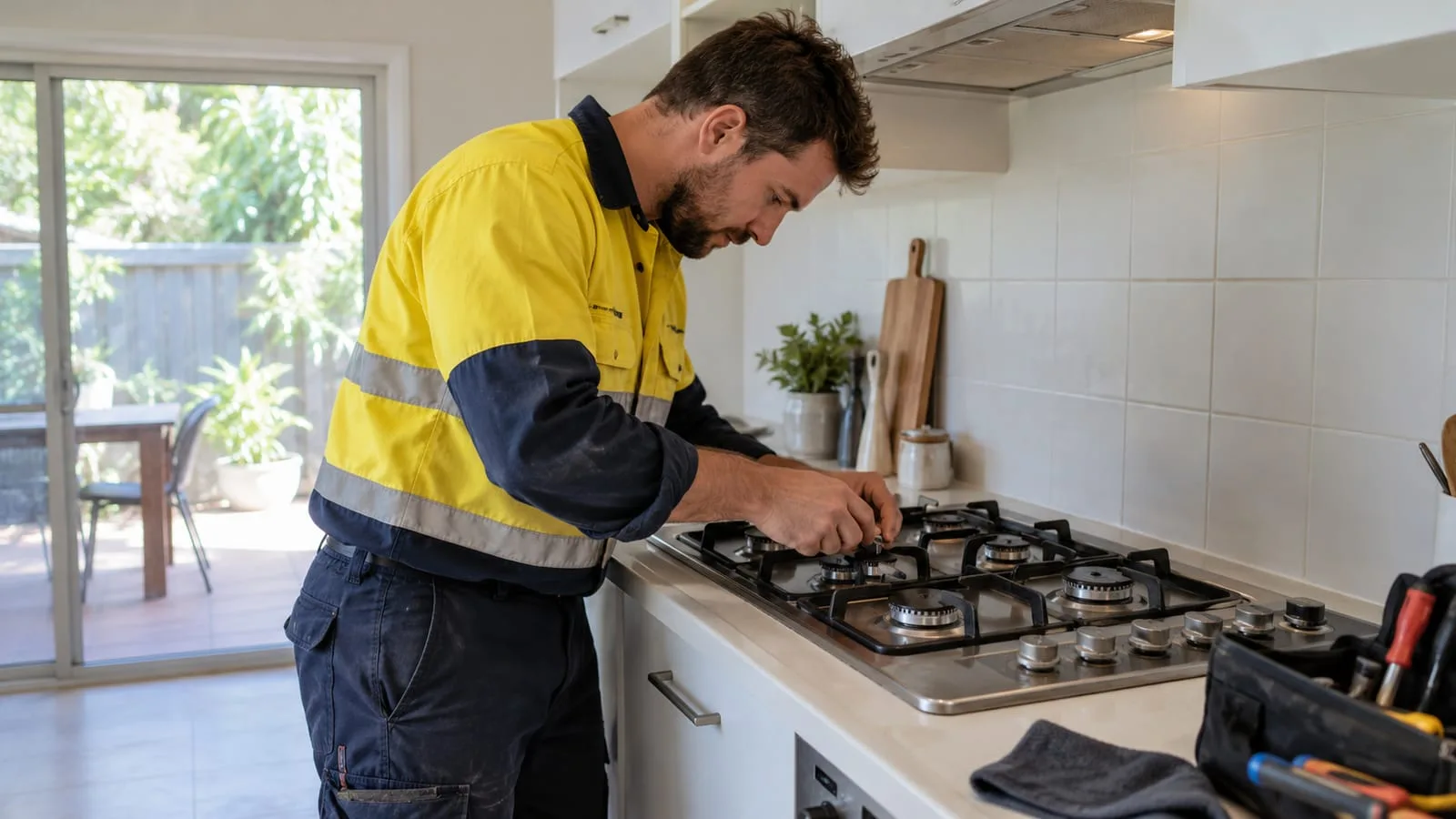
A heater that sits unused through humid months can wake up with dust, insects and stiff components. A short check before the first cool morning avoids a disappointing, or unsafe, start.
Brisbane winters are short, so heaters often get used only a handful of times. Before the first use, look for webs, nests or debris around the vents and flue outlet, and wipe accessible surfaces. Run the heater briefly on a mild day and watch for odd smells or noises. If anything seems off, book a technician rather than waiting for the coldest night.
When your gas heater stops working or gives off unusual smells or noises, our technicians diagnose the fault quickly and repair it safely, so your home stays warm and secure.
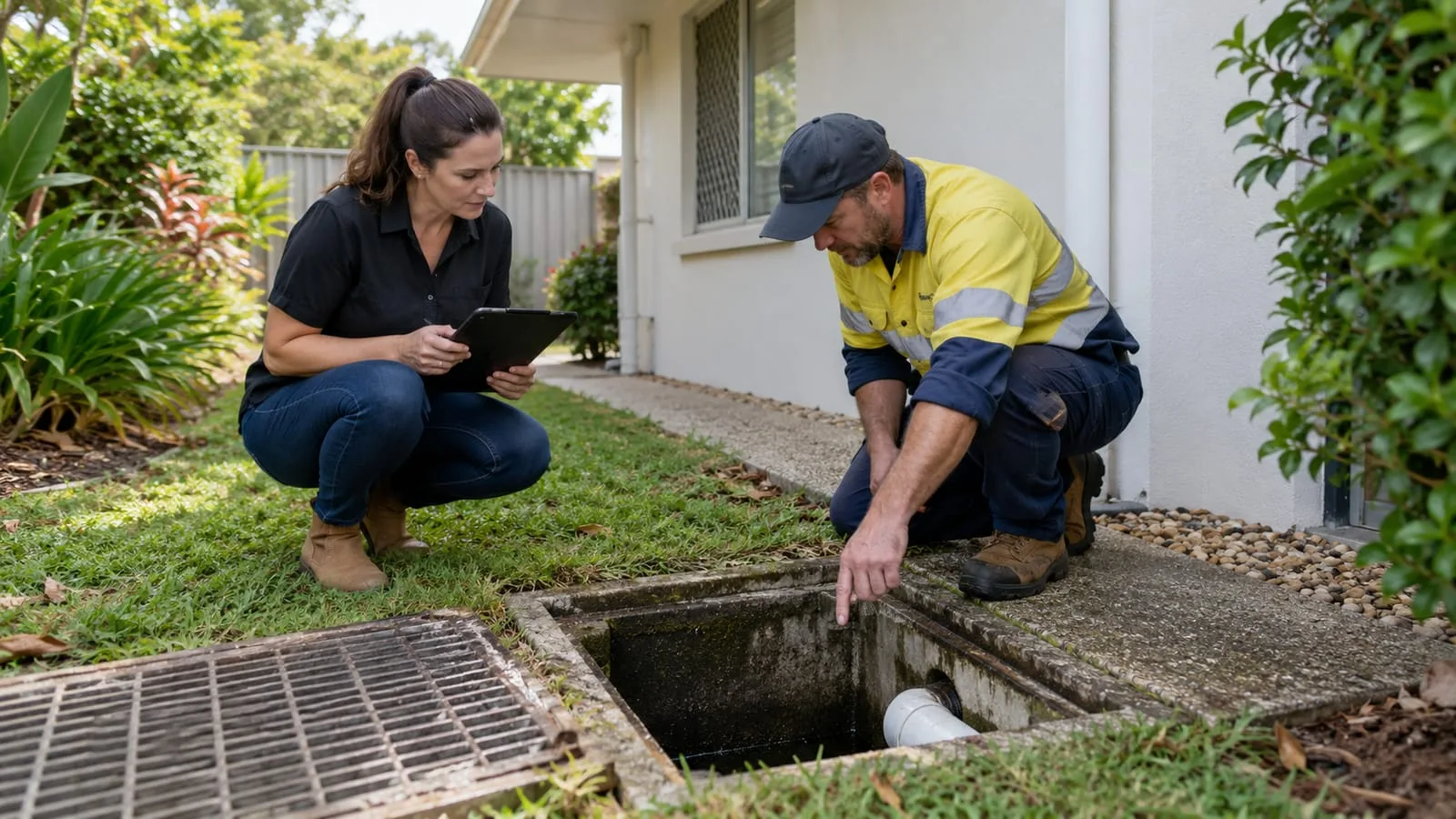
We start by checking for gas leaks, ventilation problems and faulty components, making sure your heater is safe before restoring it to working order and handing it back to you.
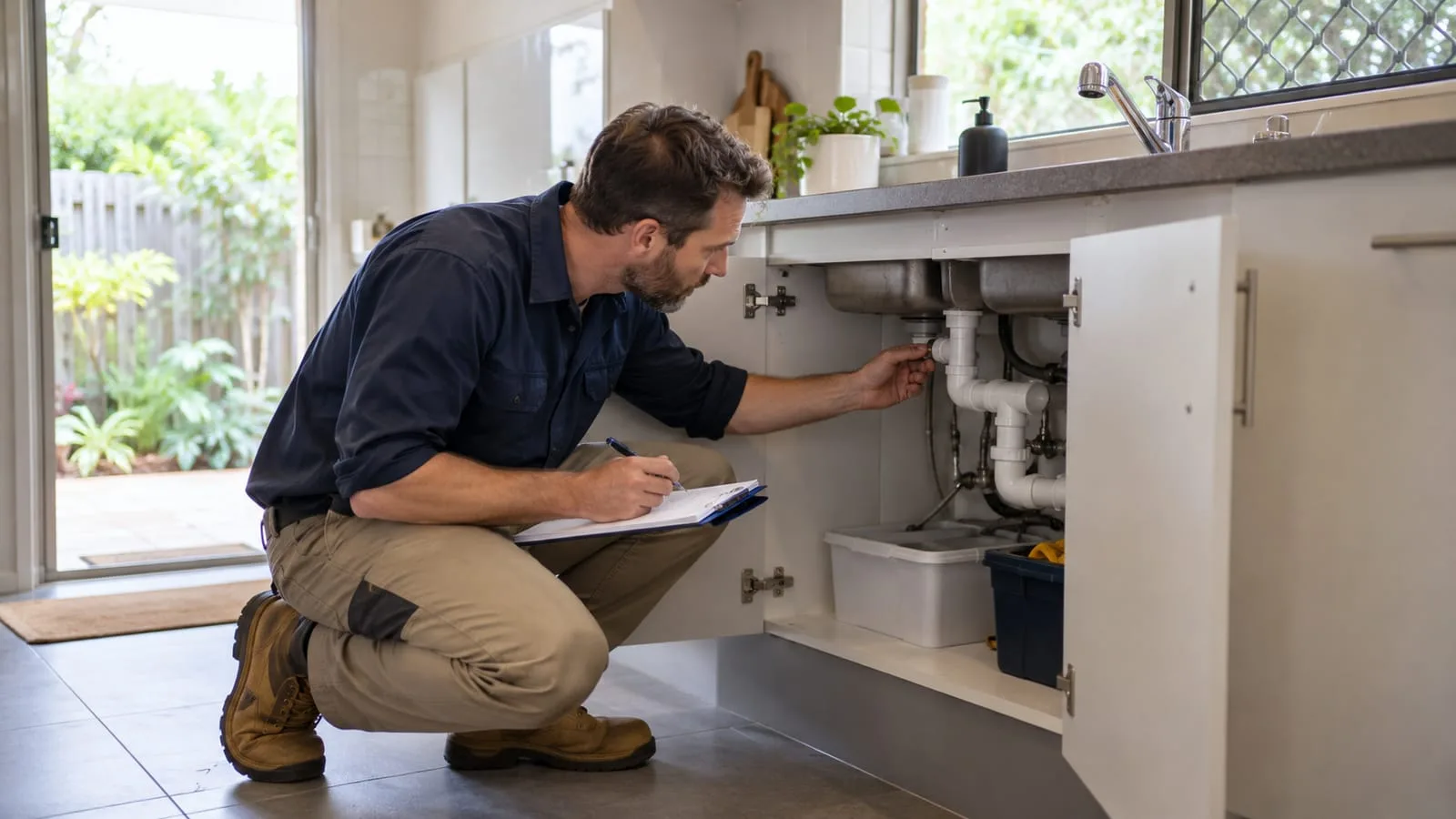
Our technicians work on a wide range of gas heaters, including wall, flued and portable units, carrying common parts to complete many repairs in a single visit, saving you time.
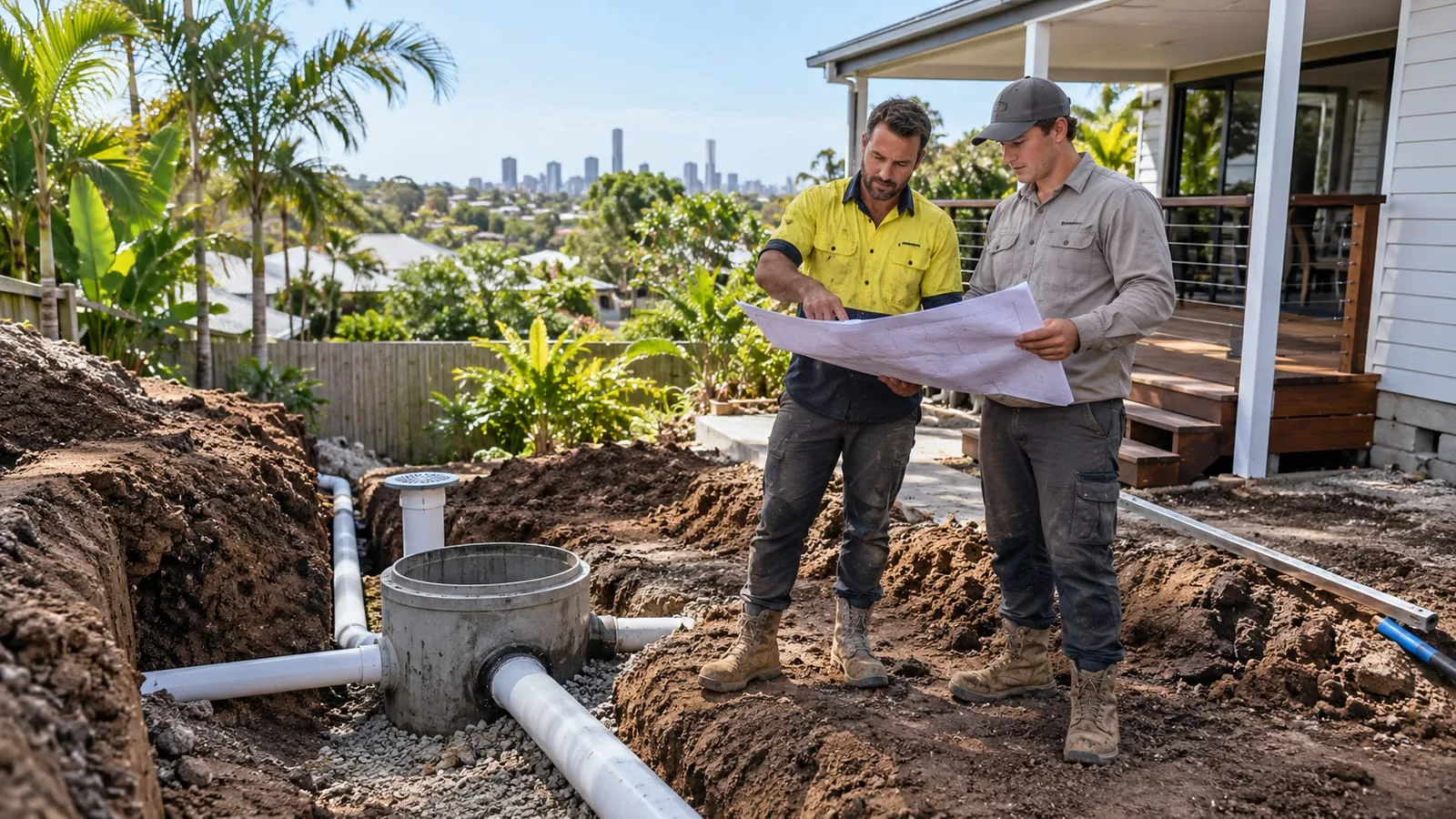
We arrive when promised, explain the fault clearly and get your heater running again quickly, so you are not left cold during the cooler Brisbane winter mornings and late nights.
A heater that smells, bangs or will not light needs checking before it is used again. We start with safety, confirm whether the fault is worth repairing and carry common parts to finish many jobs in one visit, so your home is warm again quickly and you avoid paying for work that will not last.